
Building a Scalable Business Model: A Guide for Student Entrepreneurs in India
For many college students, the journey from a classroom idea to a functional startup can feel overwhelming. The primary challenge lies not just in having a unique concept, but in building a scalable business model that can withstand market fluctuations and grow alongside a growing customer base in the Indian ecosystem.
This guide explores the essential frameworks that help student innovators transition from hobbyist projects to professional startups. By focusing on sustainable growth, leveraging university resources like the IIMT Business Incubator Foundation (IIMT BIF), and validating your product early, you can set the foundation for long-term success in 2026.
Quick Verdict
Scalability requires moving beyond a localized service to a system-driven product. By prioritizing customer feedback, unit economics, and strategic mentorship, students can turn MVP ideas into sustainable enterprises.
Quick Overview
| Focus Area | Strategy |
|---|---|
| Validation | Conducting real-world market surveys. |
| Operations | Automating routine processes early. |
| Support | Joining incubators like IIMT BIF. |
| Growth | Focusing on customer retention over acquisition. |
Defining Scalability for Students
Scalability is the ability of your business to increase revenue at a faster rate than its costs. For a student founder, this often means avoiding “service-based traps” where your time is the primary commodity. Instead, look to build products or systems that serve multiple users simultaneously without requiring a linear increase in manual effort.
As you explore your options, consider researching various startup ideas for college students in India to see how they integrate technology to handle growth. A scalable model in 2026 often involves leveraging digital infrastructure, such as SaaS (Software as a Service) platforms, automated logistics, or AI-driven customer support, to keep overheads low while expanding your reach.
The Role of Incubators in Growth
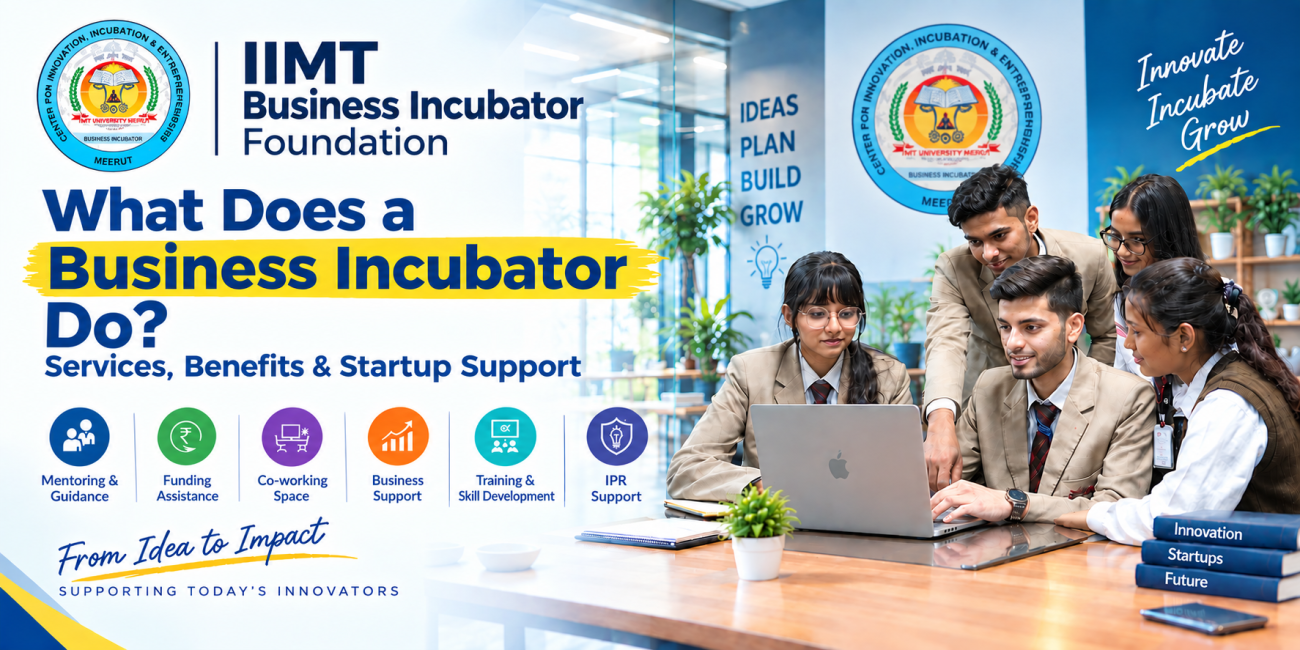
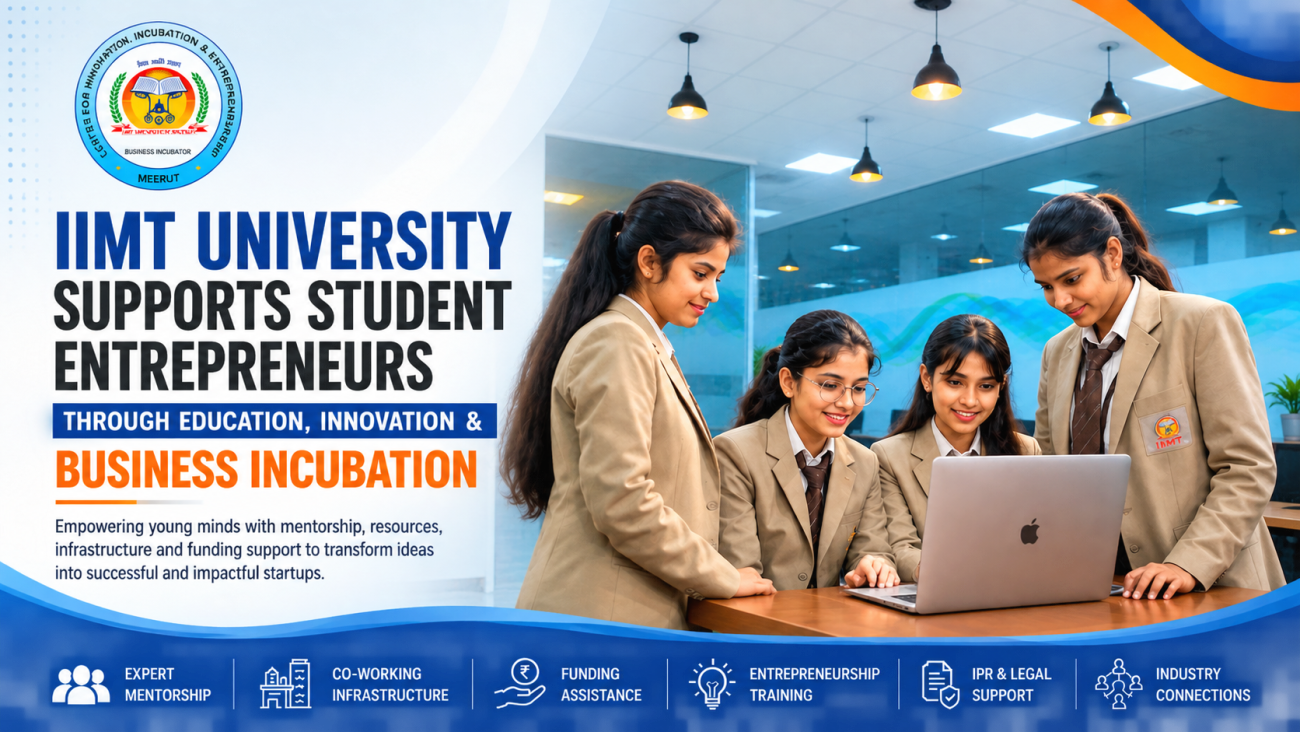
One of the biggest hurdles for student founders is the lack of a professional network and guidance on navigating business legalities. This is where organizations like the IIMT Business Incubator Foundation (IIMT BIF) play a critical role. We provide the structure that early-stage startups need to iterate their models safely.
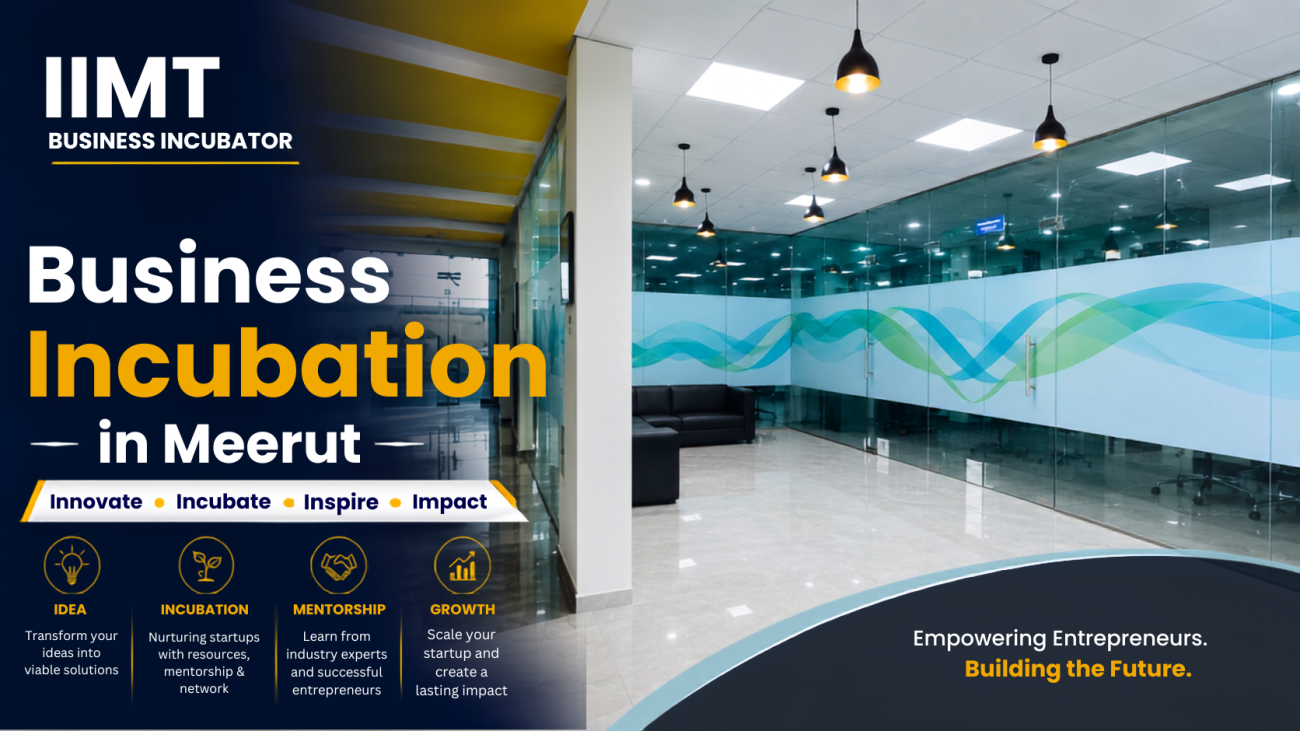
Through our dedicated programs, students gain access to seasoned industry veterans, office infrastructure, and networking opportunities. Having a mentor who has already navigated the Indian market can prevent common pitfalls in your startup team formation or financial planning, allowing you to focus on refining your core product.
Building a Scalable Business Model: Core Pillars
To ensure your venture can scale, focus on these three fundamental pillars:
- Unit Economics: Understand your Customer Acquisition Cost (CAC) vs. your Lifetime Value (LTV). If your cost to gain a customer is higher than the profit they generate, your model is not yet scalable.
- Standardization: Document your workflows. If your business depends on “heroic efforts” from one founder, it will break at scale. Use standard operating procedures (SOPs) to ensure quality remains consistent as you grow.
- Feedback Loops: Implement systems that capture user feedback automatically. Rapid iteration based on actual data is the hallmark of a resilient business model in the modern Indian market.
Step-by-Step Guide
- Market Research: Validate your problem-solution fit by surveying your target audience beyond your campus.
- Develop an MVP: Create a Minimum Viable Product that addresses the core problem without unnecessary features.
- Seek Mentorship: Connect with experts at IIMT BIF to pressure-test your assumptions.
- Formalize Operations: Explore how to register a startup in India to formalize your structure and ensure compliance.
- Iterate and Pivot: Use data to refine your model until you see consistent traction.
Frequently Asked Questions
Do I need a large team to scale?
Not necessarily. In the early stages, automation and outsourcing specific tasks are often more scalable than hiring a large, permanent workforce.
Can a service business be scalable?
Yes, but you must move away from hourly billing. Focus on creating productized services or standardized methodologies that allow you to serve more clients with fewer manual hours.
How do I know when to scale?
Scale only after you have achieved “product-market fit,” meaning you have a consistent base of paying customers who are actively recommending your service.
What if my idea fails?
Failure is a part of the entrepreneurial process. Incubators provide a safe environment to learn, pivot, and try again, which is why professional guidance is so valuable.
Conclusion
Building a scalable business model is a marathon, not a sprint. By focusing on data-driven decisions, leveraging support from incubators like IIMT BIF, and staying agile, you can navigate the complexities of the Indian startup ecosystem. Your goal is to build a system that creates value repeatedly and efficiently.
Start your journey today by auditing your current model and reaching out to mentors who can help you reach the next level of growth.
Next step: one line inviting the reader to apply for incubation at IIMT BIF using the incubation application form or to explore our services.