

How to Register a Startup in India: Step-by-Step Guide for Entrepreneurs
The Indian startup ecosystem is thriving, offering immense opportunities for students, early-stage entrepreneurs, and innovators. However, navigating the legal requirements and processes of startup registration can be challenging for many new founders.
Understanding how to register a startup in India is essential not just to comply with regulations, but also to gain access to government initiatives, funding, and credibility in the market.
This detailed guide provides entrepreneurs with a step-by-step overview of the startup registration process in India, highlighting key concepts, documentation, benefits, challenges, and practical tips to ensure a smooth incorporation journey.
Understanding Startup Registration in India
Startup registration is the legal process of formally setting up a new business entity, ensuring it is recognized under relevant government authorities and frameworks. The primary aim is to operate the business as a legal entity, avail government schemes, protect intellectual property, and attract investments more effectively.
Common Business Structures for Startups in India
Entrepreneurs in India can register their startups under various business structures, the most common being:
-
Private Limited Company
-
Limited Liability Partnership (LLP)
-
Partnership Firm
Each structure has its advantages and limitations, but for most startups, the Private Limited Company or LLP formats are often preferred due to credibility, scalability, and ease of investor participation.
Key Steps to Register a Startup in India
Step 1: Choose a Legal Structure
Selecting an appropriate structure, such as a Private Limited Company, LLP, or Partnership, impacts compliance, fundraising capability, taxation, and management flexibility.
Assess your startup’s growth plans, number of founders, and investment requirements before deciding.
Step 2: Apply for a Digital Signature Certificate (DSC)
Every company director or partner who needs to sign electronic incorporation documents must have the appropriate Digital Signature Certificate (DSC).
A DSC enables online document signing and submission through the Ministry of Corporate Affairs (MCA) portal.
Step 3: Obtain a Director Identification Number (DIN)
A Director Identification Number (DIN) is required for individuals wishing to become directors in a company.
This unique identification number can be obtained through the applicable process on the MCA website.
Step 4: Reserve Your Business Name
Selecting a unique and compliant business name is critical.
An application can be submitted through the MCA portal using the applicable name reservation service. Ensure that the proposed name is not identical or too similar to existing company names or restricted trademarks.
Step 5: Draft Incorporation Documents
Prepare the necessary incorporation documents before submitting your application.
These generally include:
-
Memorandum of Association (MOA)
-
Articles of Association (AOA)
-
Identity and address proof of directors or partners
-
Registered office address proof
-
No-objection certificate from the property owner, if applicable
Step 6: File the Incorporation Application
Submit the incorporation application along with the required supporting documents through the MCA portal.
The SPICe+ (Simplified Proforma for Incorporating Company Electronically) form streamlines the company formation process and facilitates services such as PAN and TAN issuance.
Step 7: Obtain the Certificate of Incorporation
Upon successful verification and approval, the Registrar of Companies (RoC) issues a Certificate of Incorporation.
This officially establishes the company as a recognized legal business entity.
Step 8: Apply for Startup India Recognition
Eligible startups can apply for recognition under the Department for Promotion of Industry and Internal Trade (DPIIT) through the Startup India portal.
DPIIT recognition can provide access to eligible government initiatives, intellectual property support, and other startup-related benefits, subject to applicable conditions.
Benefits and Opportunities of Registering Your Startup
Registering a startup provides several advantages to founders in India.
Legitimacy and Trust
Customers, investors, and business partners often prefer dealing with formally registered businesses because registration establishes a recognized legal identity.
Access to Government Schemes
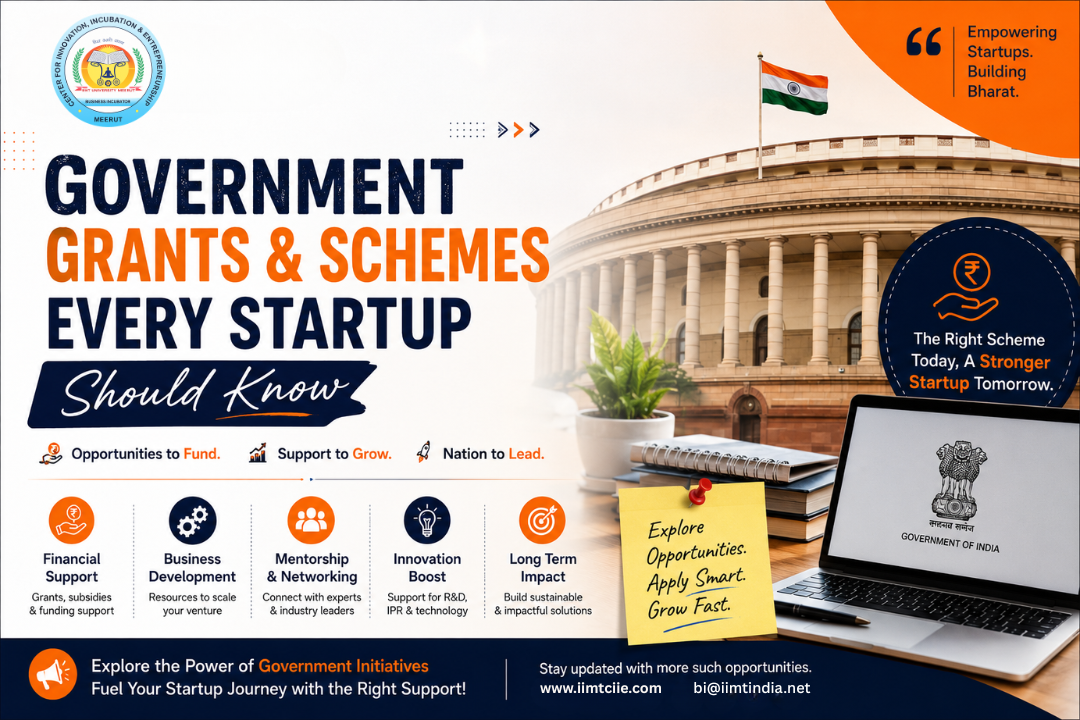
Eligible and recognized startups may access funding initiatives, tax benefits, and other forms of support offered through government programs, subject to their respective eligibility requirements.
Ease of Fundraising
Formal business registration can help startups approach venture capitalists, angel investors, and other funding sources.
Investors commonly require an appropriate legal business structure before making investments.
Intellectual Property Protection
Startups can pursue intellectual property protection through applicable trademark, patent, and copyright procedures.
This can help founders protect their brand identity, innovations, and creative work.
Business Expansion
Registration facilitates activities such as opening business bank accounts, signing contracts, building partnerships, and entering new markets.
Challenges and Practical Solutions in Startup Registration
While the process is now largely digital and streamlined, challenges can arise during startup registration.
Document Preparation
Missing, outdated, or incorrect documents can delay approval.
Pay close attention to official checklists and ensure that all required documents are accurate and complete.
Business Name Rejection
A proposed business name may be rejected if it conflicts with existing company names, trademarks, or applicable naming requirements.
Check name availability and follow the relevant MCA guidelines before submitting your application.
Complex Legal Terminology
Understanding legal documentation and compliance requirements can be challenging for first-time entrepreneurs.
Consider consulting a qualified professional or seeking guidance from a business incubator to understand the process more clearly.
Regulatory Updates
Government regulations and application procedures may change over time.
Stay updated with the latest guidelines available on the official MCA and Startup India portals.
How IIMT Business Incubator Foundation Supports Entrepreneurs
Organizations like the IIMT Business Incubator Foundation (IIMT BIF) offer workshops, mentorship, and startup support that can help entrepreneurs navigate the early stages of their business journey.
Such guidance can provide first-time founders with greater clarity and confidence as they work toward establishing their ventures.
Important Considerations Before Registering Your Startup
Before initiating your startup registration, take note of the following considerations:
Assess Your Long-Term Business Goals
Evaluate your startup’s long-term growth plans, investment requirements, and operational needs before choosing a legal structure.
Define Founder Roles and Responsibilities
Decide the roles, responsibilities, ownership percentages, and shareholding arrangements among founders early in the process.
Check Industry-Specific Licences
Determine whether your business requires any additional industry-specific registrations, permissions, or licences.
Evaluate Taxation Implications
Understand the taxation implications of your chosen business structure and consult a qualified professional if necessary.
Understand Ongoing Compliance
Consider the ongoing compliance requirements associated with your business, including applicable annual filings, accounting obligations, and GST registration.
Practical Tips for a Smooth Startup Registration
Follow these practical tips to make your startup registration journey more organized:
-
Keep all personal identification and registered office documents ready and updated.
-
Ensure that the directors meet the applicable requirements for identification and digital signatures.
-
Seek professional assistance from a Chartered Accountant (CA), Company Secretary (CS), or incubator if you are unsure about the process.
-
Double-check business name availability and avoid prohibited or restricted words and designations.
-
Regularly monitor your application status through the relevant government portals.
Frequently Asked Questions (FAQs)
1. What are the minimum requirements to register a startup in India?
The requirements depend on the chosen legal structure. For a Private Limited Company, you generally need at least two directors, a suitable company name, identity and address documents, and registered office details.
2. How long does it take to register a startup in India?
The timeline depends on the business structure, completeness of documentation, and government verification. Company incorporation may take several working days or longer if additional information or corrections are required.
3. Is Startup India recognition necessary for all startups?
No. DPIIT recognition is not mandatory for incorporating a business. However, eligible startups may apply for recognition to access applicable benefits and government initiatives.
4. Can a student register a startup in India?
Yes. Students aged 18 or above can establish or participate in a startup, provided they meet the legal requirements for the chosen business structure and fulfil applicable incorporation formalities.
5. What are the benefits of DPIIT-recognized startup status?
DPIIT-recognized startups may access eligible government initiatives, intellectual property support, certain tax benefits, government procurement-related relaxations, and startup development opportunities, subject to the relevant eligibility conditions.
6. What documents are required for startup registration?
Common documents may include PAN, identity and address proof, registered office documents, and incorporation documents such as the MOA and AOA for a company. Exact requirements vary according to the business structure.
7. Can I register my startup online from anywhere in India?
Yes. Many startup incorporation procedures can be completed online through the MCA portal, allowing founders to submit applications and supporting documents remotely, subject to applicable requirements.
Conclusion
Registering a startup in India is a foundational step for every aspiring entrepreneur. It lends credibility, provides a formal business identity, and can help eligible startups access government initiatives and opportunities for future growth and investment.
By understanding how to register a startup in India, founders can prepare their documentation, choose an appropriate legal structure, and navigate the incorporation process more confidently.
Leveraging the guidance of incubation Centres like IIMT Business Incubator Foundation (IIMT BIF) can further support entrepreneurs as they work toward launching and developing their businesses.